Popular Wood Types Used for Deck and Porch Construction
People seeking deck and porch construction often want to know about popular wood types used, and local contractors can help select and install the best options for durability and style.
Visitors exploring popular wood types used for deck and porch construction are in the right place to find practical insights that can influence their outdoor projects. Understanding the different wood options available helps property owners make informed decisions about durability, appearance, and maintenance - factors that are especially important for outdoor spaces that see regular use. Whether planning a new deck or updating an existing porch, knowing which woods are favored by local contractors can guide choices that align with the specific conditions of the area and personal preferences.
Engaging with this topic can also highlight how local contractors leverage their knowledge of various wood types to craft beautiful, long-lasting outdoor structures. These professionals can recommend the best materials based on factors like climate, aesthetics, and longevity, ensuring the finished project meets expectations. Keep reading to learn more about the popular wood types used for deck and porch construction and how local service providers can help bring these ideas to life with quality craftsmanship.
- Deck construction - homeowners planning a new deck often seek local pros experienced in working with popular wood types used for deck and porch construction to ensure durability and aesthetic appeal.
- Porch renovation - those updating or repairing an existing porch may need service providers familiar with various wood options used in deck and porch construction for proper material selection.
- Custom outdoor structures - clients designing custom outdoor living spaces look for local contractors who understand the characteristics of popular wood types used for deck and porch construction.
- Deck repair and maintenance - property owners needing repairs or upkeep on existing decks often turn to local pros knowledgeable about the best wood types used for deck and porch construction to restore or preserve their outdoor space.
- Material consultation - individuals seeking guidance on choosing the right wood for their deck or porch project consult local service providers experienced in popular wood types used for deck and porch construction.
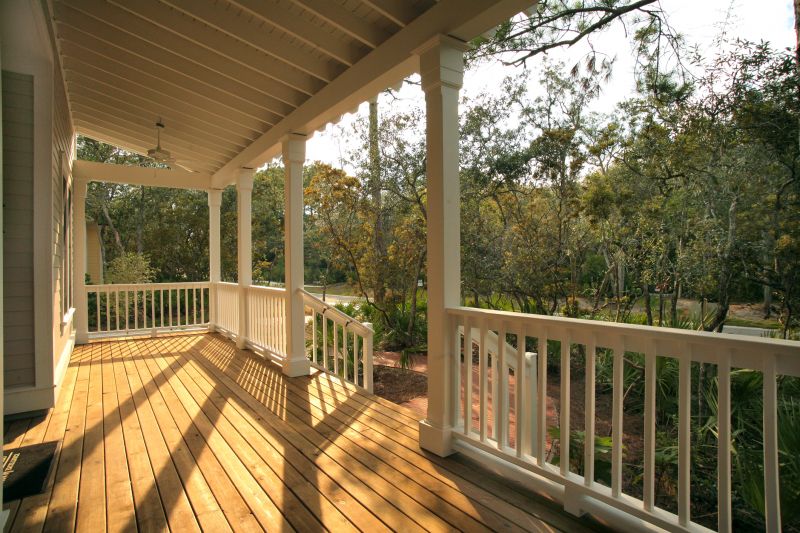
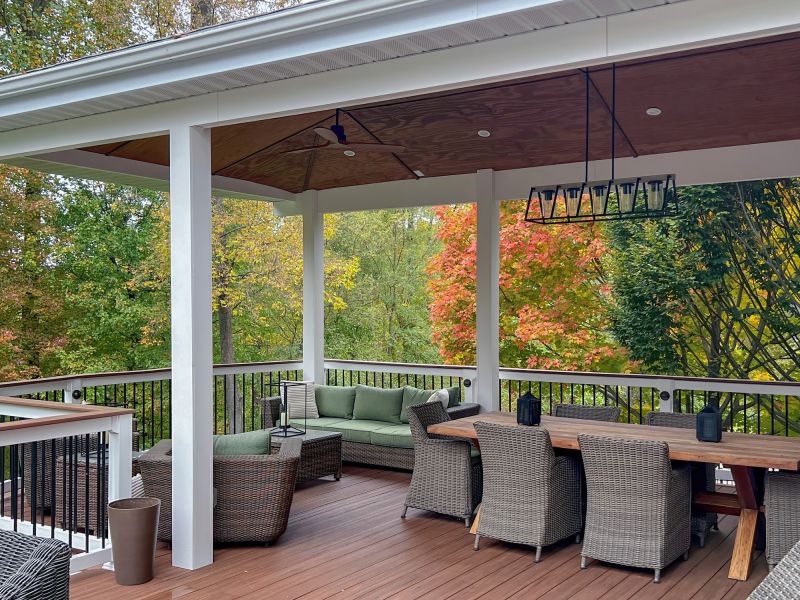
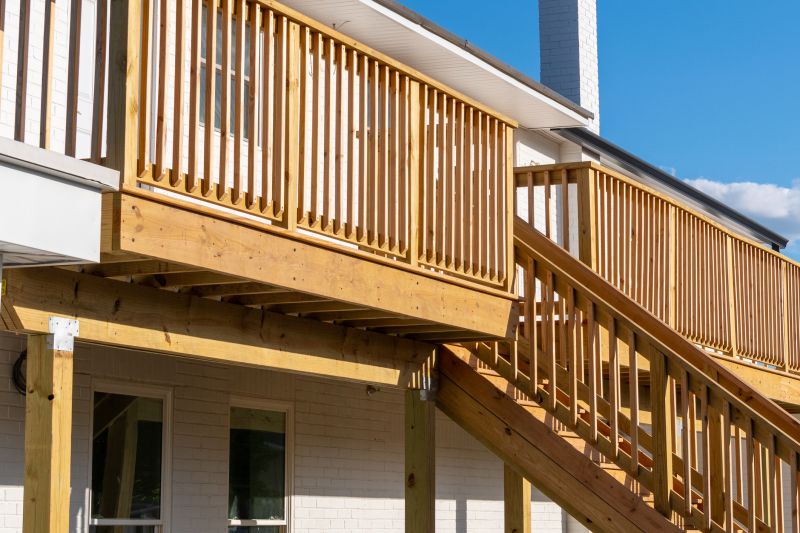
When searching for information on popular wood types used for deck and porch construction, homeowners are often looking to understand which materials are best suited for their outdoor spaces. This topic typically relates to planning or remodeling projects where durability, appearance, and maintenance are key considerations. People may have existing decks or porches that need repairs or replacements, or they might be designing a new outdoor area from scratch. Understanding the different wood options helps homeowners make informed decisions about which materials will meet their needs, whether that’s for a cozy backyard retreat or a large entertainment deck. Local contractors who specialize in deck and porch construction can provide guidance on selecting the right wood types based on the specific property, climate, and aesthetic preferences.
The topic of popular wood types used for deck and porch construction connects closely to common property types such as suburban homes, rural cabins, or waterfront residences. These properties often feature outdoor living spaces that require sturdy, weather-resistant materials. For example, a homeowner with a lakeside cottage might prioritize woods that withstand moisture and temperature fluctuations, while a suburban house may focus on appearance and ease of maintenance. The choice of wood can also depend on the size and design of the deck or porch, as well as the overall style of the property. Local service providers experienced in deck and porch projects understand these differences and can recommend the most suitable wood types to ensure the finished structure is both functional and visually appealing.
Many homeowners searching for popular wood types for decks and porches are also considering long-term performance and maintenance needs. They may be facing questions about how different woods age over time, how often treatments or sealing might be required, or which materials are more resistant to pests and decay. These considerations are especially relevant when planning projects that will be exposed to outdoor elements year-round. Local contractors can help address these concerns by advising on the best wood options based on local climate conditions and the specific demands of the property. Understanding the characteristics of different woods allows homeowners to choose materials that will meet their expectations for longevity and appearance, ensuring the outdoor space remains safe and attractive for years to come.
Overall, exploring popular wood types used for deck and porch construction is a practical step for homeowners involved in building or upgrading outdoor spaces. It directly relates to planning decisions, material selection, and working with experienced local service providers who can execute the project effectively. Whether the goal is to create a welcoming front porch, a large backyard deck, or a combination of both, understanding the strengths and limitations of different woods helps ensure the final result aligns with the property’s needs and the homeowner’s vision. Connecting with local contractors who specialize in deck and porch construction can provide valuable insights and help facilitate a successful project built with the right materials for the environment and the desired aesthetic.
Pergola and gazebo projects - these structures often utilize similar wood types used for decks and porches, requiring planning and skill in selecting durable, attractive materials.
Outdoor furniture building - crafting custom outdoor furniture involves working with the same popular wood types, ensuring compatibility with deck and porch aesthetics and durability.
Fence installation and design - local contractors experienced in wood fencing share skills in measuring, cutting, and selecting appropriate wood types for longevity and style.
Sunroom and porch enclosure projects - these additions often incorporate similar wood materials and construction techniques used in deck and porch building.
Retaining wall construction - working with wood for aesthetic or structural purposes in landscape projects involves skills and planning comparable to deck framing.
Outdoor stairs and railing installations - these features require precise work with durable wood types, paralleling the skills used in deck and porch construction projects.
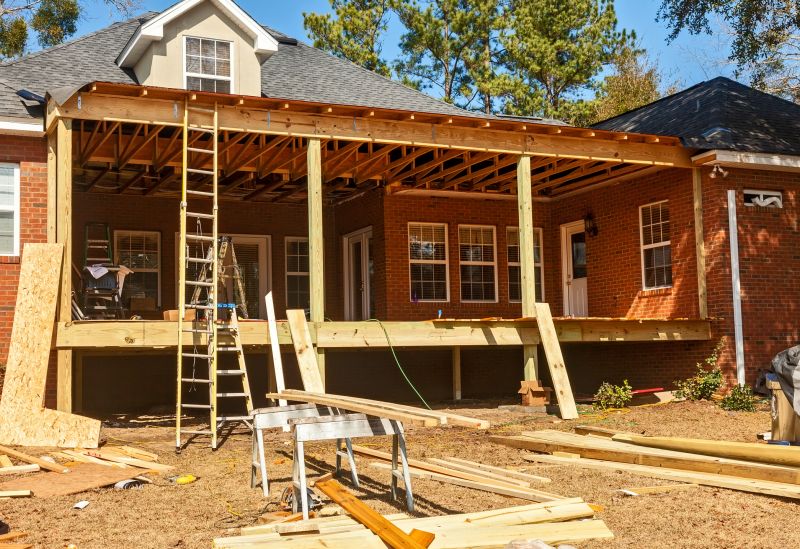
When comparing local contractors for deck and porch construction, it’s essential to consider their experience with projects involving popular wood types used for these structures. Homeowners should inquire about the types of wood the service providers have worked with most frequently and whether they have completed similar projects in size and style. A contractor’s familiarity with various wood options, such as cedar, redwood, or composite materials, can indicate their ability to recommend suitable choices and execute the work effectively. Reputable service providers often have a portfolio of past projects or references that demonstrate their expertise with different wood types, providing reassurance that they understand the nuances involved in working with specific materials.
Clear written expectations are a critical factor when evaluating local contractors. It’s beneficial to request detailed proposals that outline the scope of work, including the selection of wood types, preparation processes, and finishing details. This documentation helps ensure that both parties are aligned on the project’s specifics and can serve as a reference throughout the construction process. Well-prepared contractors typically communicate their plans and recommendations transparently, making it easier for homeowners to understand the choices involved and the reasoning behind them. A service provider’s ability to articulate their approach clearly can prevent misunderstandings and foster a smoother project experience.
Good communication and reputable references are key indicators of a dependable contractor. Homeowners should seek out local pros who are responsive to questions, provide thorough explanations, and demonstrate a professional approach to client interactions. Asking for references from previous clients who had similar projects can offer valuable insights into the contractor’s work ethic, reliability, and quality of craftsmanship, especially when working with specific wood types. Contractors who maintain open lines of communication and have a history of satisfied clients are more likely to deliver a project that meets expectations, ensuring that the chosen wood materials are properly handled and installed for lasting results.
Property owners often search for popular wood types used for deck and porch construction when they are planning practical projects around their homes and businesses. Local pros provide Deck and Porch Construction services for everyday jobs and straightforward project options.
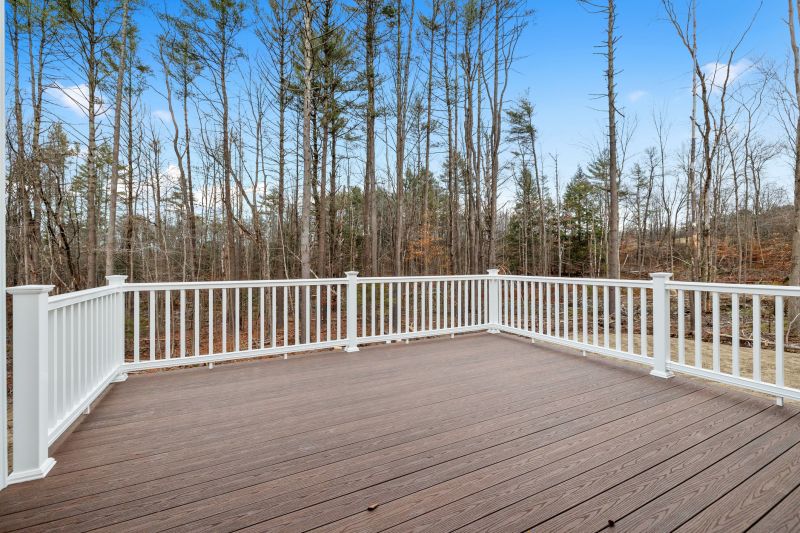
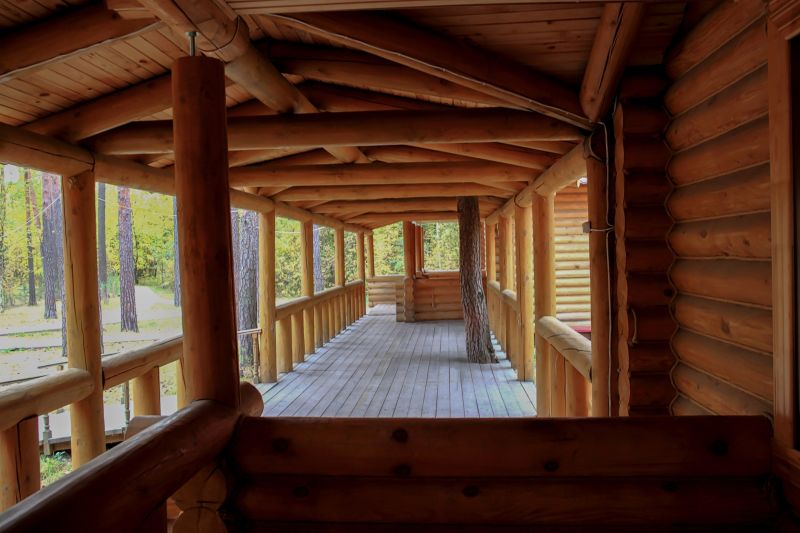
Property owners considering deck and porch construction often look into the types of wood best suited for these outdoor structures. Understanding popular wood types used for deck and porch construction can help homeowners make informed choices about durability, appearance, and maintenance needs. When exploring options, many turn to local contractors who specialize in building with various wood materials, ensuring the finished project meets both aesthetic preferences and functional requirements.
Common wood choices for decks and porches include pressure-treated lumber, cedar, and redwood, each offering different benefits in terms of resistance to weather and pests. Local service providers can assist in selecting the right wood type based on the specific conditions of the area and the desired look of the outdoor space. Connecting with experienced contractors can help property owners find the best materials and ensure proper installation for long-lasting results.
What are some popular wood types used for deck and porch construction? Common choices include pressure-treated pine, cedar, redwood, tropical hardwoods like ipe, and composite materials, which local contractors often recommend based on durability and aesthetics.
Why do contractors prefer cedar for decks and porches? Cedar is valued for its natural resistance to decay and insects, along with its attractive appearance, making it a popular option among local service providers.
Are tropical hardwoods suitable for outdoor decks? Yes, many local contractors recommend tropical hardwoods such as ipe or tigerwood for their high durability and long-lasting qualities in outdoor environments.
What is the benefit of using pressure-treated wood for porch construction? Pressure-treated wood is affordable and resistant to rot and insects, which makes it a practical choice that local pros often utilize for structural components.
Can composite materials be considered as wood types for decks? While not traditional wood, composite materials are frequently used by local contractors as low-maintenance alternatives that mimic the appearance of wood for decks and porches.
Choosing durable wood types can help property owners select materials that withstand outdoor elements for long-lasting decks and porches, with local contractors providing expert guidance on options.
Considering wood aesthetics allows property owners to match the look of their deck or porch with their home's style, while local service providers can recommend suitable finishes and treatments.
Evaluating maintenance needs helps property owners decide on wood types that require minimal upkeep, with local contractors offering advice on care routines for different materials.
Understanding cost differences enables property owners to plan their project within budget, as local service providers can explain the benefits and considerations of various popular wood options.
If you are thinking about popular wood types used for deck and porch construction for a property, this guide is meant to help you understand this topic, the typical project types, and how different options might fit your plans.
When you are ready, you can use the quote form on this page to share a few details about your project. From there, local pros can review the basics and follow up with options that match what you have in mind.